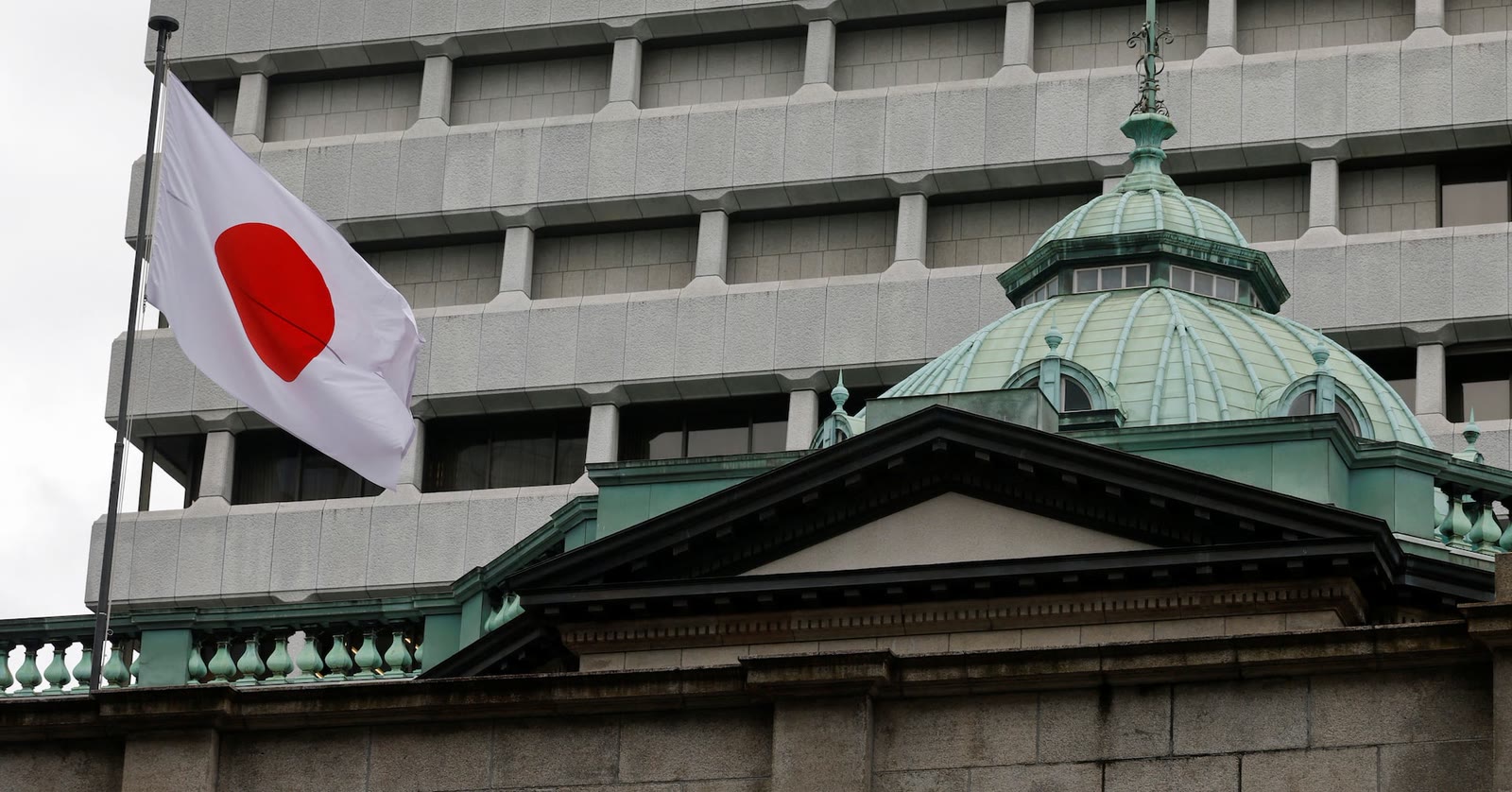
A Japanese flag flutters atop the Bank of Japan headquarters in Tokyo, Japan,September 18, 2026. REUTERS/Kim Kyung-Hoon Purchase Licensing Rights, opens new tab
SummaryBOJ's next rate hike to come in December or January, Adachi saysFurther hikes eyed next year but weak spending clouds outlookSoft spending, volatile markets may raise political hurdles
TOKYO, Nov 24 (Reuters) - The Bank of Japan will likely raise interest rates several more times to fight inflation, but its rate-hike plans may face political headwinds next year due to weak consumption, former central bank policymaker Seiji Adachi said on Tuesday.
While government fuel subsidies have moderated price pressure on households, inflation is likely to stay above the BOJ's 2% target next year as firms pass on rising raw material costs, Adachi said in an interview with Reuters.
The Reuters Daily Briefing newsletter provides all the news you need to start your day. Sign up here.
"Concern over rising inflation is strong, so the BOJ is not done with rate hikes yet," he said, projecting the central bank will raise its policy rate to 1.5% from the current 1.25% either in December or January.
The BOJ could then raise rates further to 1.75% or 2.0% next year to forestall the risk of an inflation overshoot, Adachi said.
But he warned that soft consumption may complicate the BOJ's rate-hike plans, with recent data showing signs of weakness in household spending.
"Consumption has been weakening this year and moving below recent years' trend," with rising living costs and higher interest rates prodding households to save rather than spend, Adachi said.
Signs of weak consumption may spur dovish premier Sanae Takaichi's administration and her reflationist aides to push back against further rate hikes, he said.
"If consumption stays weak, it could prove hard for the BOJ to justify steady rate hikes. Falling stock prices won't help either," said Adachi, who retains contact with incumbent policymakers and some of Takaichi's economic advisers.
"The pain from higher rates may hit households first through higher mortgage rates, which the administration may not feel happy about," Adachi said. "How far the administration is willing to tolerate could be key" to the pace and timing of any BOJ rate hikes next year, he added.
During his five-year stint at the BOJ board until 2025, Adachi took part in the central bank's exit from a massive decade-long stimulus in March 2024 and subsequent rate hikes.
With stubbornly high energy costs and rising import prices from a weak yen adding to inflationary pressures, the BOJ raised its policy rate to 1.25% in September after delivering a hike in June — a shorter interval than the roughly twice-a-year hikes seen in 2024 and 2025.
BOJ Governor Kazuo Ueda has signalled the bank's readiness to keep raising rates to prevent inflation from deviating above its 2% target.
A majority of analysts polled by Reuters expect the BOJ to raise rates in December and follow up with another hike by end-March. Many see the terminal rate at around 1.75% or 2.0%.
Wary of triggering a fresh selloff in the yen and government bonds, Takaichi's administration has held off on publicly criticising the BOJ's recent rate hikes and hawkish signalling.
But two dovish BOJ board members dissented to the September rate hike on concern over weak growth and consumption.
Japan's economy unexpectedly shrank in the July-September quarter as consumption slumped, though Ueda last week played down the weakness as due to temporary factors such as bad weather.
Reporting by Leika Kihara and Takahiko Wada; Editing by Kevin Buckland
Our Standards: The Thomson Reuters Trust Principles., opens new tab