There was a time when, during a Rome winter, I would crave the warmer months. Not any more. The combination of intense heat and overtourism has made summer poco piacevole, as Italians would say – not very pleasant. So come mid-September, when the temperature drops and the crowds thin out, our mood lifts as we reclaim the city and slip back into familiar routines. In winter, the temperature is mostly mild and there is still plenty of sunshine (we do tend to grumble if the rain and grey skies persist for a few days).
Rome is best seen on foot, and my favourite time to walk it is on a Sunday. Until earlier this year, I lived in Esquilino, a vibrant neighbourhood close to Termini train station. I’d begin with coffee at Gatsby Cafe by Piazza Vittorio before walking along Via Merulana – a tree-lined street similar to a Parisian boulevard – and then through the Colle Oppio park, past the Colosseum and towards Circo Massimo.
Opposite the ancient Roman chariot-racing site is the fascinating Museo della Cucina, dedicated to the history of food and cooking, which hosts a regular vintage market. Another winter pleasure is to have lunch at the farmers’ market close by.
Food is at the heart of a Roman winter, with chefs making the most of seasonal produce, including carciofi (artichokes) and puntarelle, crisp shoots of chicory with a punchy dressing. Warming pasta dishes, such as carbonara, cacio e pepe and amatriciana fly off the menu, as does the simple minestrone or pasta e ceci (pasta and chickpea soup). Among my go-to restaurants in winter are Cucina Pepe in Esquilino, which serves the best pasta all’arrabbiata, and Trattoria Morgana, off the Via Merulana.
Winter is also the season for cosy wine bars, and my favourite is Wine Art di Tiziana, once again in Esquilino. It’s usually warm enough to sit outside and chat with people from the neighbourhood. This is another bonus of Rome in winter: it’s easier to enjoy the convivial settings and get to know people when the city is less frenetic.
The castle on the beach in Santa Severa. Photograph: Valerio Mei/Alamy
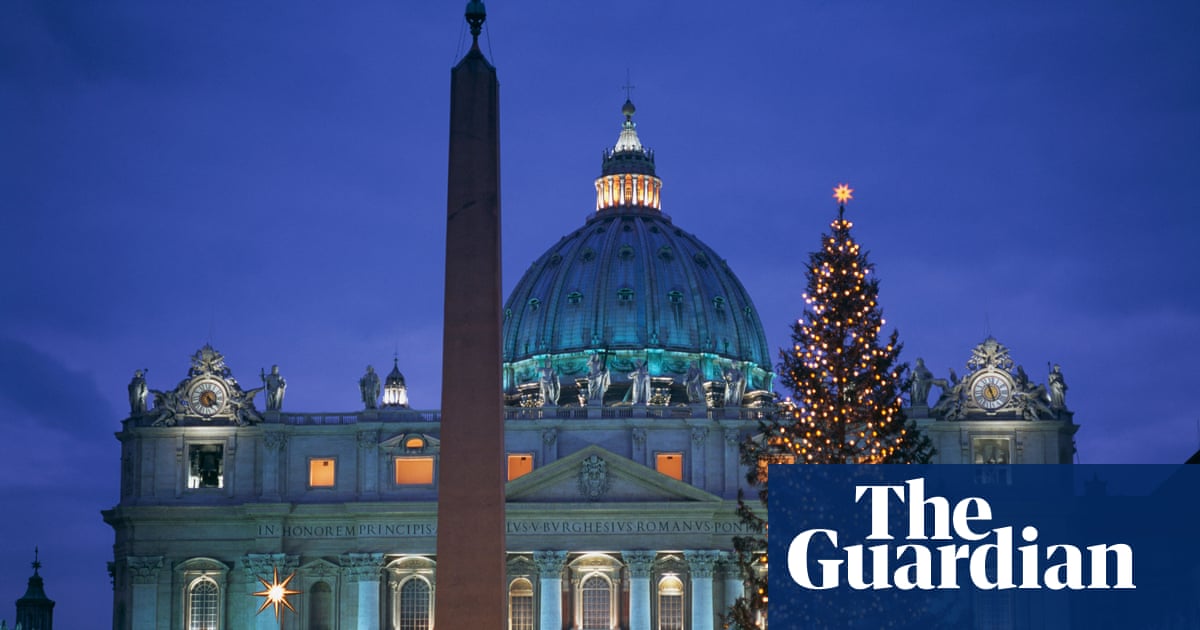
The Christmas period officially begins on 8 December, which is also a national holiday – the feast of the immaculate conception. This is when the city’s churches unveil their nativity scenes, or presepi. The best known is the Vatican’s life-size display in St Peter’s Square, which also has Rome’s largest Christmas tree, while the Basilica of Santa Maria Maggiore, home to the relic of the holy crib, can lay claim to the world’s oldest sculpted marble nativity scene. The Basilica of Santi Cosma e Damiano has an elaborate presepe of almost 200 wooden and ceramic figures dating back to the 1700s.
The shopping streets around the Via del Corso can get busy in December, but with soft lighting in the ancient streets and carols by the Spanish Steps, Rome maintains a genteel and elegant festive atmosphere. Other than a few stalls in Piazza Navona and Villa Borghese, Rome is not really known for Christmas markets, but a popular day trip is to the medieval city of Arezzo in Tuscany, which hosts an authentic Tirolean style market with wooden chalets. There is a train service from Rome during the Christmas period.
skip past newsletter promotion
after newsletter promotion
Beyond Rome, winter is an ideal time to enjoy the quiet of the seaside: Santa Severa has a castle on the beach and is less than an hour by train, or try Santa Marinella, the next stop along. Then there are the thermal springs. The Terme dei Papi in Viterbo and San Casciano dei Bagni in Tuscany are among my favourites. At the latter, the free-to-use hot baths overlook rolling hills and are beside an archaeological site where in 2022 a trove of bronze statues dating back to the Etruscan period was found.
Where to stay
Campo de’ Fiori hotel (doubles from €144) in the heart of the city has a rooftop bar and a friendly atmosphere.