Published: 17:46 GMT, 14 November 2026 | Updated: 17:46 GMT, 14 November 2026
NHS staff across Scotland have been warned they could face criminal charges for shredding documents – after potentially crucial evidence about a rogue medic was destroyed.
Disgraced neurosurgeon Sam Eljamel is accused of harming more than 200 patients by carrying out botched, reckless or unnecessary brain and spinal procedures.
An ongoing public inquiry has heard that dozens of logbooks detailing operations he performed while working in Dundee were lost – despite an explicit order that they should be preserved.
NHS Tayside has apologised for shredding the documents, admitting that the failing had ‘compounded and exacerbated distress for patients’.
But now, in the wake of the scandal, NHS top brass have written to every health board in the country updating the rules on Do Not Destroy (DND) notices – which are intended to keep important documents safe.
Signed by NHS Scotland chief operating officer Stephen Gallagher, the letter highlights that a DND notice is a formal legal instrument – and that ‘failure to provide evidence required by an inquiry may constitute a criminal offence’.
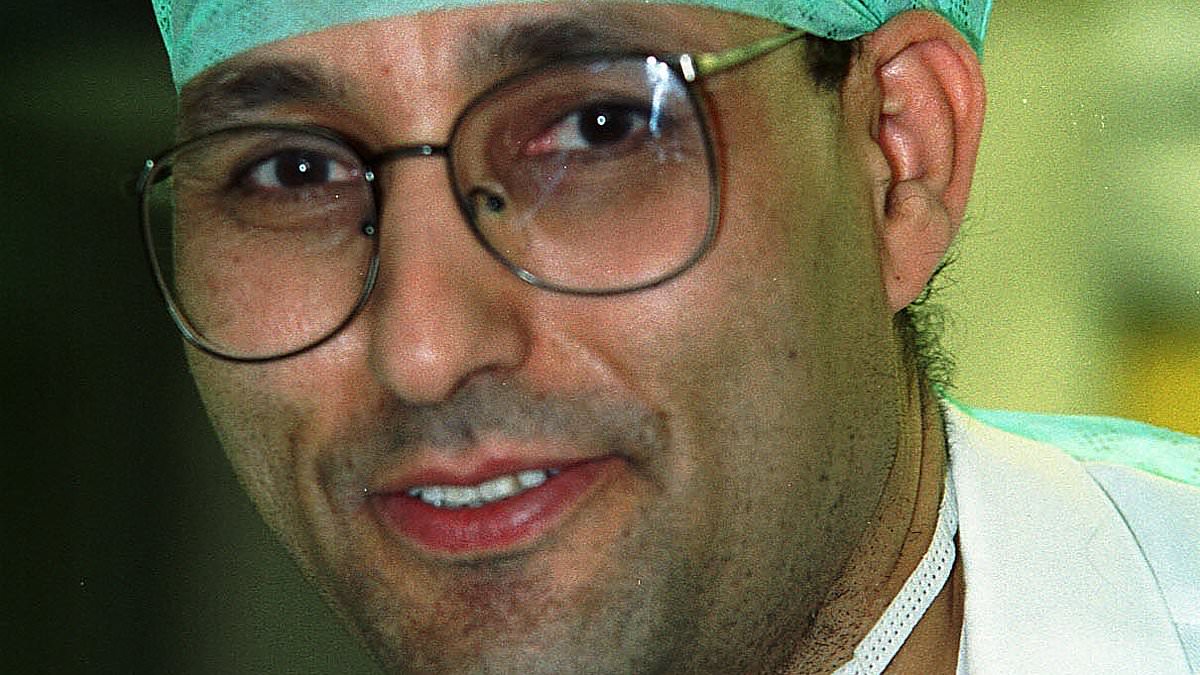
Disgraced surgeon Sam Eljamel
Campaigner Jules Rose welcomes the change
Breaking the law could result in a fine or up to six months in prison.
New rules on DND notices, the letter states, have been drawn up ‘in response to lessons arising from the destruction of theatre logbooks and the requirements associated with the Eljamel Inquiry’.
Last night victims of Eljamel said it was important to remind health staff of their legal obligation to obey DND notices – but added that the move failed to reassure them.
Jules Rose had a tear-duct removed by the surgeon during a failed attempt to operate on a brain tumour and is now a lead campaigner for his former patients.
She said: ‘The destruction of logbooks and records by NHS Tayside was beyond devastating for victims.
‘It’s good that the NHS is updating its guidance on Do Not Destroy notices. But despite the threat of criminal charges, it doesn’t offer us much reassurance that the same thing won’t happen again.
‘If they’re anything like NHS Tayside, health boards believe they are a law unto themselves.’
Eljamel was a consultant NHS neurosurgeon at Ninewells Hospital from 1995 until his suspension in 2013. He also carried out hundreds of operations while working at Dundee’s private Fernbrae Hospital between 2002 and 2013.
Following his suspension, Eljamel resigned in 2014 and is now believed to be working as a surgeon in Libya.
Ahead of the public inquiry, NHS Tayside was ordered in 2024 not to destroy around 40 theatre logbooks detailing operations carried out by the surgeon at Ninewells.
Despite the DND notice, the documents were shredded in July 2025.
This September, the inquiry heard that – as a result – NHS Tayside no longer had any records at all relating to some of Eljamel’s victims.
Chief executive Nicky Connor insisted the blunder was the result of ‘inadequate systems and processes’ rather than deliberate wrongdoing.
The new rules on DND notices state: ‘Records identified as being of potential relevance to an inquiry must not be destroyed or disposed of until there is clear instruction from the inquiry team that they are not required.’