Parade Pets and Yahoo may earn commission from links in this article.
When you think of a herding dog, a Border Collie guiding a flock of sheep might be the first image that comes to mind. But sheep aren't the only animals that dogs have helped farmers manage over the centuries. Cattle herding was also an important job, and it required dogs with a particular combination of intelligence, strength and determination.
Some breeds were small enough to dart between the legs of much larger animals, while others relied on their size and endurance to move entire herds across long distances. Their methods varied, but they all played an important role in keeping livestock moving in the right direction.
Today, many of these dogs are better known as family pets. Here are 10 dog breeds originally developed to herd cattle, including a few that might surprise you.
Related: The 15 Best Dog Breeds for Living on a Farm, According to a Veterinarian
10 Dog Breeds With a History of Herding Cattle
Cattle dogs come in a surprising variety of shapes and sizes. Although some were developed specifically for herding, others served as all-purpose farm dogs that helped guard livestock, pull carts and perform other demanding jobs.
1. Australian Cattle Dog
Photo by Tatyana Consaul from Getty Images/Canva
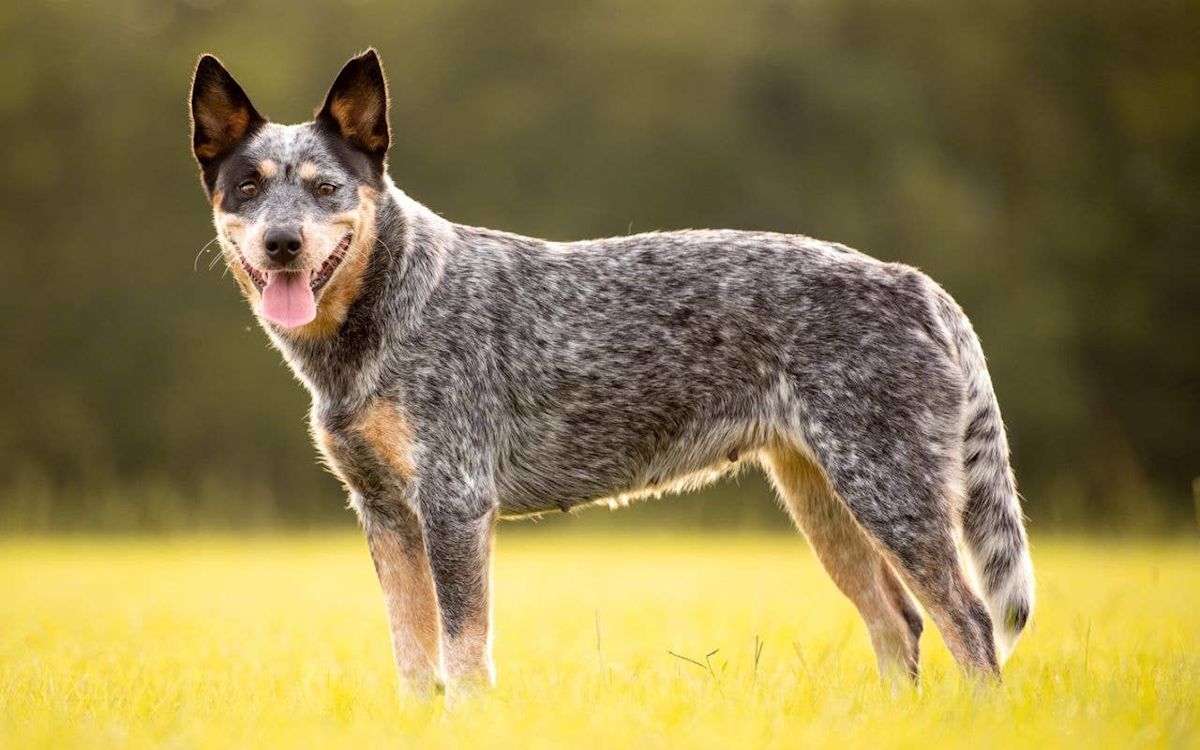
Few breeds are as closely associated with cattle herding as the Australian Cattle Dog. Also known as the Blue Heeler or Red Heeler, this hardworking breed developed during the 19th century, when Australian ranchers needed dogs capable of moving livestock across enormous stretches of rugged countryside.
European herding dogs weren't always suited to Australia's demanding conditions, prompting ranchers to experiment with different breeding combinations. Over time, these efforts produced a tough, intelligent dog with remarkable endurance. Its ancestry includes imported working dogs and the Australian dingo, although the precise details of its development remain somewhat uncertain, according to the Australian Cattle Dog Club of America.
Over time, the breed became particularly skilled at controlling cattle by nipping at their heels, encouraging even stubborn animals to keep moving. That determination remains one of its defining characteristics, making Australian Cattle Dogs a natural fit for active homes where they have plenty of opportunities to exercise and stay busy.
2. Pembroke Welsh Corgi
Photo by Aleksandr Zotov from Getty Images/Canva
With their short legs and friendly expressions, Pembroke Welsh Corgis might not look like dogs that once spent their days moving cattle. But for generations, these compact animals were valuable companions to farmers in Wales.
Their low stature was actually an advantage. By staying close to the ground, Corgis could nip at the heels of cattle while avoiding some of the powerful kicks directed toward them. Their speed and alertness also helped them guide livestock between grazing areas.
According to the American Kennel Club's history of the breed, Pembrokes gradually transitioned from working farm dogs to household companions as agricultural practices changed. Today, they're best known for their playful personalities and distinctive appearance, although their energy and herding instincts haven't entirely disappeared.
3. Cardigan Welsh Corgi
Photo by DevidDO from Getty Images/Canva
The Cardigan Welsh Corgi shares its short-legged appearance with the Pembroke, but it has a separate history rooted in the Welsh countryside.
For centuries, Cardigans helped farmers manage cattle, protect property and perform other everyday jobs. Their sturdy bodies allowed them to work around large livestock, while their alert personalities made them useful watchdogs around the farm.
The breed's long association with cattle driving is documented by the Cardigan Welsh Corgi Club of America, which describes its traditional role as an all-purpose farm worker. Unlike the Pembroke, the Cardigan is also known for its long, bushy tail.
Although both Welsh Corgi breeds are now popular companions, the Cardigan's working background is still reflected in its intelligence, adaptability and willingness to stay active.
Related: 10 Dog Breeds That Originated in Scotland—and the Fascinating Histories Behind Them
4. Lancashire Heeler
Wirestock / Getty Images
The Lancashire Heeler might be one of the smallest dogs on this list, but its original responsibilities were anything but easy.
Developed in northwestern England, these energetic dogs helped drive cattle through the countryside and toward local markets. Their compact bodies allowed them to move quickly around livestock, while their habit of nipping at animals' heels helped keep the herd moving in the right direction.
But cattle driving wasn't their only specialty. Lancashire Heelers also became skilled ratters, helping farmers control rodents around barns and other agricultural buildings. As the American Kennel Club explains, this combination of herding ability and pest control made them especially useful farm companions.
Although the breed received full AKC recognition in 2024, it remains relatively unfamiliar to many American dog lovers.
5. Swedish Vallhund
Photo by CaptureLight from Getty Images/Canva
Swedish Vallhunds have been working alongside farmers in Scandinavia for centuries. Their long bodies, short legs and pointed ears give them a resemblance to Welsh Corgis, but they developed their own identity as versatile farm dogs in Sweden.
Like Corgis, Vallhunds used their low stature and quick movements to control cattle, often nipping at their heels while remaining agile enough to avoid injury. They also helped guard farm properties and control rodents.
Their history is closely associated with Sweden's agricultural traditions, with the American Kennel Club tracing the breed's cattle-herding role back centuries.
Today, Swedish Vallhunds are appreciated for their intelligence, enthusiasm and lively personalities. Despite their small size, they retain the energy and determination of dogs originally developed for demanding farm work.
6. Bouvier des Flandres
Anita Kot / Getty Images
The Bouvier des Flandres developed in the Flanders region of Belgium and France, where farmers needed strong, dependable dogs capable of handling several demanding jobs.
Moving cattle was one of their primary responsibilities, but these large, shaggy-coated dogs also helped pull carts, guard livestock and protect rural properties. Their muscular bodies and substantial size also made them particularly useful when working with large animals.
In fact, the breed's name reflects its history. The word Bouvier refers to a cattle driver, and the American Kennel Club notes that the breed was also historically known by names meaning "cow dog" and "cattle driver."
Over time, Bouviers found additional roles in military and police work, but their agricultural roots remain an important part of their identity.
7. Rottweiler
Photo by alberto clemares expósito from Getty Images/Canva
Rottweilers are often associated with guarding and protection, but long before they became familiar household companions, they played an important role in moving cattle.
Their history is closely connected to the German town of Rottweil, where livestock merchants and butchers relied on powerful working dogs to drive cattle to market. Along the way, these dogs also helped protect valuable animals from thieves and other threats.
As railroads and other forms of transportation gradually replaced traditional cattle drives, the breed's responsibilities changed. Nevertheless, Rottweilers retained the strength, confidence and working instincts that once made them valuable companions to livestock handlers.
Related: These 7 Dog Breeds Have Been America's Favorites for Decades, According to Experts
8. Entlebucher Mountain Dog
Photo by Afbeeldingen van Connie Sinteur
The Entlebucher Mountain Dog is the smallest of Switzerland's four traditional mountain dog breeds, but it has a long history of working with cattle.
Developed in the Entlebuch region of Switzerland, these sturdy dogs helped farmers move dairy cows between pastures, barns and other grazing areas. Working in mountainous terrain required considerable agility, endurance and determination, all qualities that became closely associated with the breed.
Their compact, muscular bodies made them well suited to controlling cattle without sacrificing the mobility needed to navigate uneven ground. For this reason, the National Entlebucher Mountain Dog Association continues to emphasize the breed's cattle-working heritage in its official standard.
Today, Entlebuchers remain energetic and intelligent dogs that generally do best with active owners who can provide regular exercise and mental stimulation.
9. Australian Stumpy Tail Cattle Dog
phramedau / Getty Images
Although its name sounds similar to the Australian Cattle Dog, the Australian Stumpy Tail Cattle Dog is a separate breed with its own working history.
Developed in Australia during the 19th century, these dogs were bred to move cattle across long distances and handle the country's demanding ranching conditions. Their endurance and ability to work independently made them valuable companions for livestock handlers.
One of the breed's most recognizable features is its naturally short tail, which distinguishes it from the more familiar Australian Cattle Dog. The United Kennel Club confirms that the two breeds are closely related but distinct, rather than simply different tail varieties of the same dog.
Australian Stumpy Tail Cattle Dogs remain highly active, determined workers. Their intelligence and stamina can make them excellent companions for experienced owners, particularly those who enjoy outdoor activities and training.
10. Greater Swiss Mountain Dog
Photo by Nicholas Chase from Getty Images/Canva
The Greater Swiss Mountain Dog developed in Switzerland, where farmers needed powerful, versatile animals capable of handling several different responsibilities.
These large, muscular dogs helped move dairy cattle between pastures, pulled heavy carts and watched over farms. Their size and strength made them especially valuable in mountainous agricultural communities, where work could be physically demanding.
Although they're often associated with cart pulling, cattle management was also an important part of their history. Today, Greater Swiss Mountain Dogs are often kept as family companions, but their substantial size and working background remain important considerations for prospective owners.
Do Cattle-Herding Dogs Make Good Family Pets?
Many cattle-herding breeds can become affectionate and devoted family companions, but their working backgrounds are important to consider.
Dogs developed to control livestock often have high energy levels, strong instincts and a desire to stay mentally engaged. Without appropriate outlets, some may attempt to herd other pets (and even people).
The American Kennel Club notes that herding dogs tend to be intelligent problem-solvers that benefit from structured activities and regular exercise. However, that doesn't mean every cattle-herding breed needs to live on a farm. Many thrive in homes where owners provide consistent training, physical activity and opportunities to use their natural abilities.
From the compact Welsh Corgi to the powerful Rottweiler, these breeds demonstrate just how differently dogs were developed to accomplish the same essential job. Their appearances may vary, but their working histories continue to shape the dogs we know and love today.
Related: 9 Dog Breeds That Originated in Ireland—and Their Fascinating Histories
This article was drafted with the assistance of AI and thoroughly reviewed, edited and fact-checked by Parade Pets editors. See our complete AI Policy.
This story was originally published by Parade Pets on Nov 25, 2026, where it first appeared in the Dogs section. Add Parade Pets as a Preferred Source by clicking here.