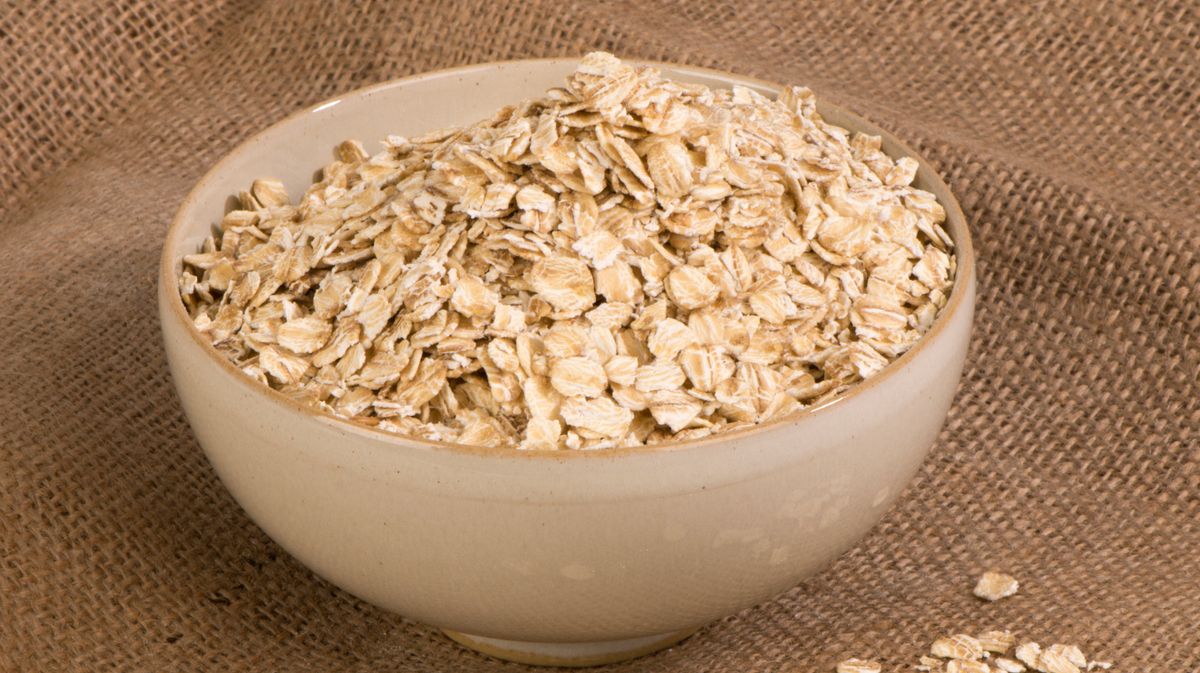
Some porridge fans are even adding chilli oil and bone broth to their oats
Sales of “filler foods” like porridge oats that mimic the effects of weight-loss medication are soaring.
Article continues below
Prince William departs Downing Street after meeting with PM
Studies suggest over two millions adults in the UK are currently taking GLP-1 medicine to reduce appetite and promote feelings of fullness.
But the trend has also triggered social media hype for “nature’s Ozempic” foods that act on the body in the same way.
Article continues below
This includes products that are high in fibre, monounsaturated fats and lean protein, such as oats, eggs, greek yoghurt, seeds and legumes like beans, lentils and chick peas.
Waitrose say sales of their Scottish Oats have boomed 124% this year, while Savoury Seed & Nut Topper packets have seen a 236% rise.
To see more of the stories you love from The Mirror and to find them easily in Google then make us your preferred source. Free and easy-to-do, just click on the link here to find more from The Mirror at the top of your feed.
We use your sign-up to provide content in ways you've consented to and improve our understanding of you. This may include adverts from us and third parties based on our knowledge of you. More info
Dr Joanne Lunn, Waitrose’s head of health and nutrition, revealed the new trend in the retailer’s annual food and drink report.
Article continues below
She said: “GLP-1s are reshaping the entire food and drink landscape, even for people who aren’t on the medication.
“As appetite patterns change, customers’ baskets are shifting towards smaller portions, nutrient density and high-satiety (feeling full) foods.
Article continues below
“The rise of 'nature's Ozempic' - fulled by trends like 'oatzempic' and overnight oat recipes - has turbocharged demand for high-protein, high-fibre foods that offer sustained energy and support long-term wellness.”
However, Lunn’s suggestion of exchanging sweet porridge toppings for “chilli oil, bone broth and roasted veg” may be too extreme for some tastes.
Article continues below
Describing the toppings as the “ultimate hack for a low-sugar, high-satiety boost”, Lunn added: “We’re seeing a growing shift towards savoury porridge.”
The hormone GLP-1, found in our intestines, is what makes us feel hungry and stop eating when we are full.
Article continues below
A recent study found around 2.6 million adults in Britain were using GLP-1 medication, which includes brands like Ozempic, Mounjaro and Wegovy, in August this year.
Over 4,000 customers were surveyed for the report by Worldpanel by Numerator, which also revealed that 88 per cent of users had changed their food shopping habits.
Article continues below
One third were drinking less alcohol while over half had begun eating more protein.
Article continues below
This trend is now starting to filter down into choices at the supermarket.
No single food can replicate the strength or duration of GLP-1 medications, whose effects can last up to a week.
Article continues below
But foods like oats can produce a similar, but milder effect, over shorter timespans.
Carly Stage, cereal buyer at Waitrose, added "Customers are clearly turning to budget-friendly staples that deliver long-lasting fullness and great value per bowl.
Article continues below
"Wholesome essentials like porridge oats are moving from a traditional breakfast to a modern meal choice, praised for being easy to store and effortless to prepare."