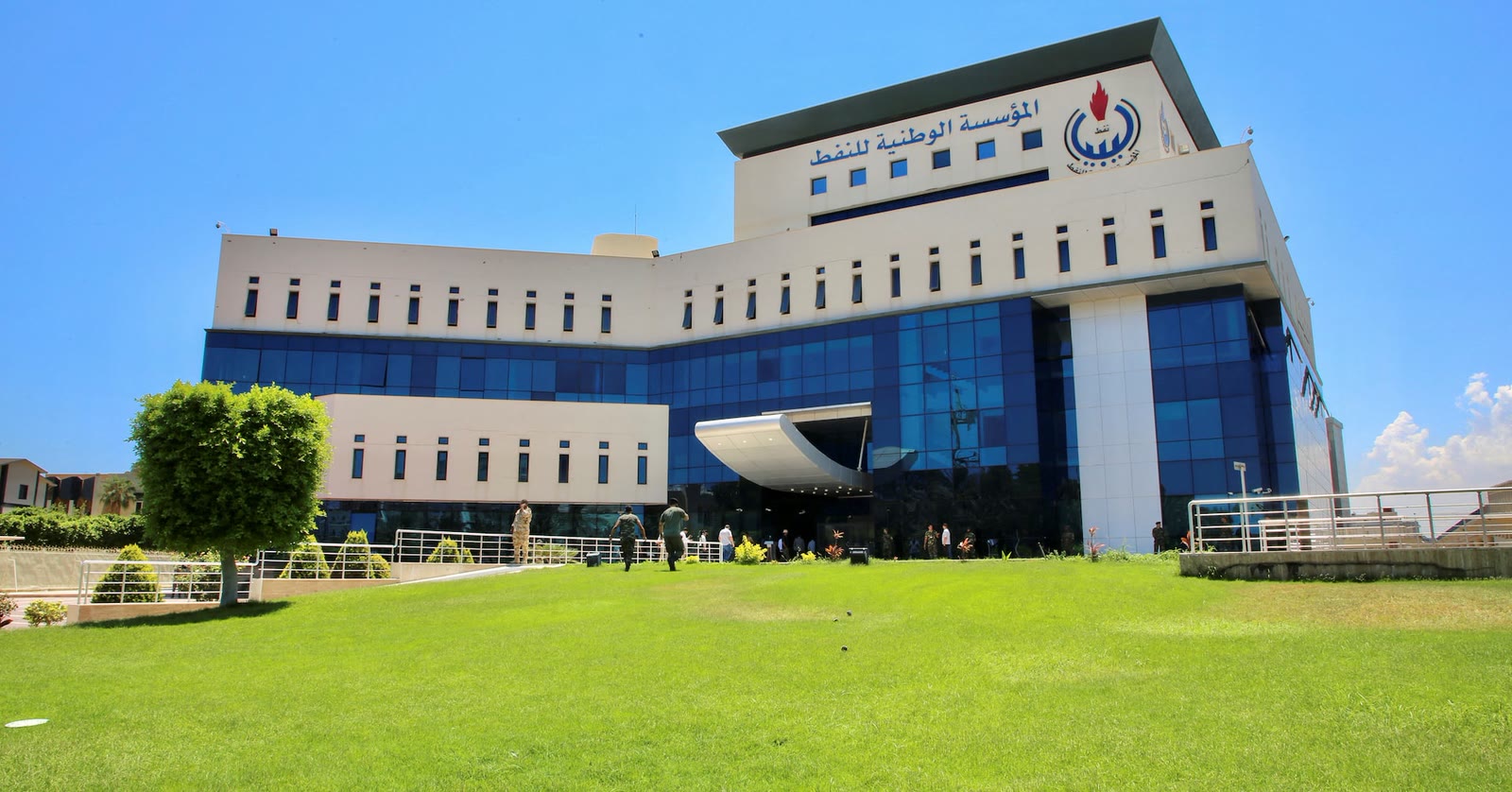
General view of the Libyan state National Oil Corporation (NOC) in Tripoli, Libya July 14, 2022. REUTERS/Hazem Ahmed Purchase Licensing Rights, opens new tab
Companies
Nov 25 (Reuters) - Libya's state oil firm NOC said on Wednesday that more than 60 billion barrels of oil equivalent and 1,073 trillion cubic feet of gas identified as undiscovered resources could eventually be converted into proven reserves.
The Reuters Power Up newsletter by columnist Ron Bousso provides everything you need to know about the global energy industry. Sign up here.
NOC said the estimates were based on data from more than 700 exploration wells and 250,000 km (155,000 miles) of seismic surveys
Libya's oil output is about 1.3 million barrels per day, below the 1.6 million bpd produced before the overthrow of Muammar Gaddafi in a NATO-backed uprising in 2011.
The OPEC member depends on oil exports for about 90% of government revenue
Around 70% of Libya's territory remains unexplored, according to previous NOC estimates
NOC said its assessment also identified around 420 billion barrels of oil trapped in source rock formations
The company said the resource estimates would support future licensing rounds and the use of advanced seismic technology to develop new reserves
NOC chairman Massoud Soleman said on Tuesday the company plans a bidding round for discovered but undeveloped and marginal fields in 2027, followed by an exploration licensing round in early 2028
In January, NOC announced the winners of Libya's first licensing round since 2007
In a separate statement, NOC said it was working on measures to raise gas production to 4 billion cubic feet per day.
The statements were made on the sidelines of the second day of the Libya International Energy Conference and Exhibition 2026 in Tripoli
Reporting by Ahmed Elumami. Editing by Mark Potter
Our Standards: The Thomson Reuters Trust Principles., opens new tab