SummaryCompaniesMusk says Tesla will dismantle Cybertruck assembly line around June or JulyCybertruck sales fall 28% this year through September to about 11,600, Motor Intelligence estimatesRival EV trucks also struggle due to high prices, limited capability
Nov 10 (Reuters) - Tesla’s move to discontinue its Cybertruck next year is perhaps the highest-profile flameout in a category that automakers had once hyped: huge electric pickups.
Tesla
(TSLA.O), opens new tab
CEO Elon Musk said in a social media post on Saturday that the automaker would ramp up Cybertruck production at its Austin, Texas, factory to meet an "order backlog” before dismantling the assembly line around June or July. He said the wind-down would allow Tesla to produce more Cybercab robotaxis, which have yet to be sold commercially.
The Auto File newsletter brings you exclusive insights on the biggest shifts driving the global automotive industry. Sign up here.
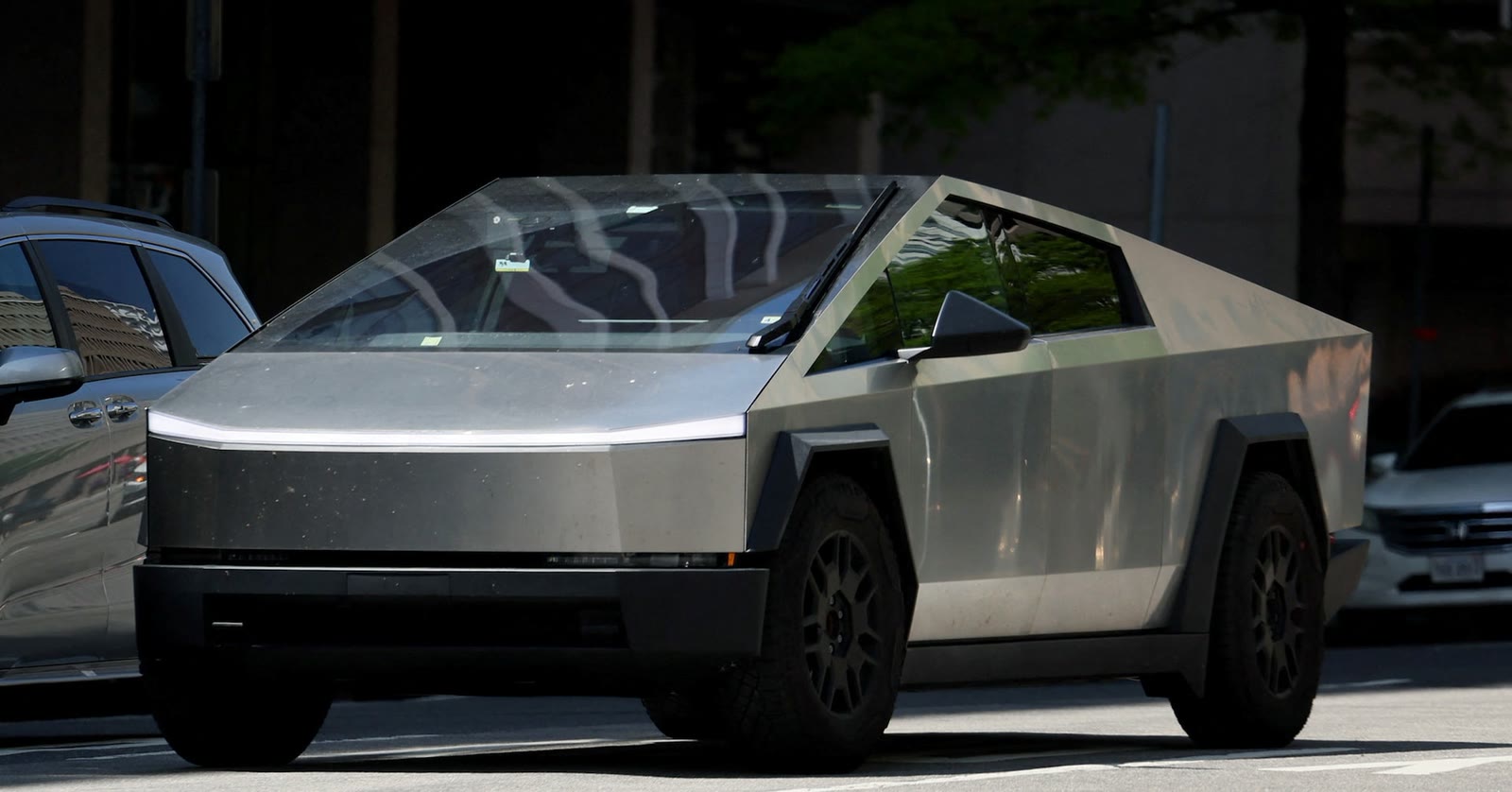
But sales of Tesla’s stainless-steel, angular truck — once described by MotorTrend magazine as having a “stealth-bomber-refrigerator design theme” — sagged 28% this year through September, to about 11,600 trucks, according to an estimate from research firm Motor Intelligence.
That sales pace is far off the 250,000-truck annual level Musk once predicted. Musk's other big company, SpaceX
(SPCX.O), opens new tab
, also bought Cybertrucks worth $131 million from Tesla at list price last year, according to a federal regulatory filing.
MORE MONEY FOR LESS TRUCK
The market for large electric pickups has been a rough road for Tesla’s competitors, too. Even the Cybertruck’s relatively meager deliveries have outpaced sales of electric trucks from rivals General Motors
(GM.N), opens new tab
and Ford Motor
(F.N), opens new tab
, where executives once had high hopes that battery-powered versions of their full-size pickups — their biggest moneymakers — would be major hits.
Detroit’s automakers pivoted to EV pickup trucks early this decade in part to fend off entries from Tesla and Rivian
(RIVN.O), opens new tab
. GM, Ford and Ram maker Stellantis
(STLAM.MI), opens new tab
for decades have cultivated legions of loyal truck customers by offering pickups with ever-increasing levels of horsepower and towing capability.
A Tesla Cybertruck is driven down Pennsylvania Ave near the White House in Washington, U.S., April 23, 2025. REUTERS/Leah Millis Purchase Licensing Rights, opens new tab
But the companies have not been able to translate that formula to EV trucks, said Karl Brauer, executive analyst at vehicle research site iSeeCars.com. For one, the trucks are pricey, in part because their massive batteries are extremely costly. GM’s Chevrolet Silverado EV, for example, starts at around $62,000.
Second, the trucks often struggle to perform tasks that owners of internal-combustion pickups have come to expect, like towing a horse trailer or hauling heavy equipment.
“So in the end, you have to pay more money for a vehicle that is less functional,” Brauer said.
AUTOMAKERS GO SMALLER, ADD GAS TO EXTEND RANGE
Ford CEO Jim Farley acknowledged those tough economics during an earnings call last year, explaining why the company would discontinue the Ford Lightning, the electric version of its popular F-150 pickup that had been a relative hit for a few years before demand cooled.
“The larger the vehicle, the bigger the battery, the more pressure on margin because customers will not pay a premium,” Farley said.
Ford’s focus is now on a smaller electric pickup, the Fathom, which it plans to roll out late next year at a starting price of about $28,000.
Automakers also are looking toward hybrid technology to deliver truck customers the functionality they need in an electric form. Stellantis next year plans to launch an extended-range electric pickup truck, which will use a gas-powered generator to recharge the battery on the go.
Reporting by Mike Colias in Detroit and Nathan Gomes in Bengaluru; Editing by Matthew Lewis
Our Standards: The Thomson Reuters Trust Principles., opens new tab
Mike Colias oversees coverage of the U.S. auto industry, including Tesla and the Detroit Three carmakers. He previously worked at the Wall Street Journal for nine years as a reporter and Detroit bureau chief. Colias also authored the book “Inevitable: Inside the Messy, Unstoppable Transition to Electric Vehicles," published in 2025 by Harvard Business Review Press. Colias has also worked for Automotive News, Crain’s Chicago Business and The Associated Press. A Chicago-area native, he earned journalism and business degrees from Ohio University.