The Minnesota Twins should prioritize a left-handed reliever who can finish hitters off with runners on base. Kevin Ginkel’s reported two-year, $18 million agreement strengthens their right-handed group, but another addition should address a distinct need.
Free agent Hoby Milner offers a useful example of the decision ahead. His 3.64 ERA in 2026 looks appealing. The rest of his profile, however, makes him easier to recommend as depth than as the answer to difficult late-inning matchups.
Minnesota should keep that distinction central as it evaluates the remaining market.
Milner’s Strikeout Decline Changes His Fit
Seattle Mariners reliever Hoby Milner. | IMAGN IMAGES via Reuters Connect
Milner struck out 25 hitters in 42 innings for the Cubs and Mariners in 2026. That worked out to 5.4 strikeouts per nine innings, continuing a decline from 8.9 in 2024 and 7.4 in 2025.
His results against left-handed hitters weren't especially overpowering, either. They hit .263/.321/.382 against him, and he struck out 10 of the 85 he faced.
That is an 11.8% strikeout rate against the hitters that a left-handed bullpen addition would often be asked to retire. The sample is limited, but it provides little evidence that Milner would give Minnesota a dependable way to escape trouble without putting the ball in play.
There is a positive case. He walked only 10 hitters in 42 innings, and his 3.64 ERA reflects useful work rather than a season that should simply be dismissed.
Control matters. A reliever who avoids handing out baserunners can help a staff, especially when entering with the bases empty.
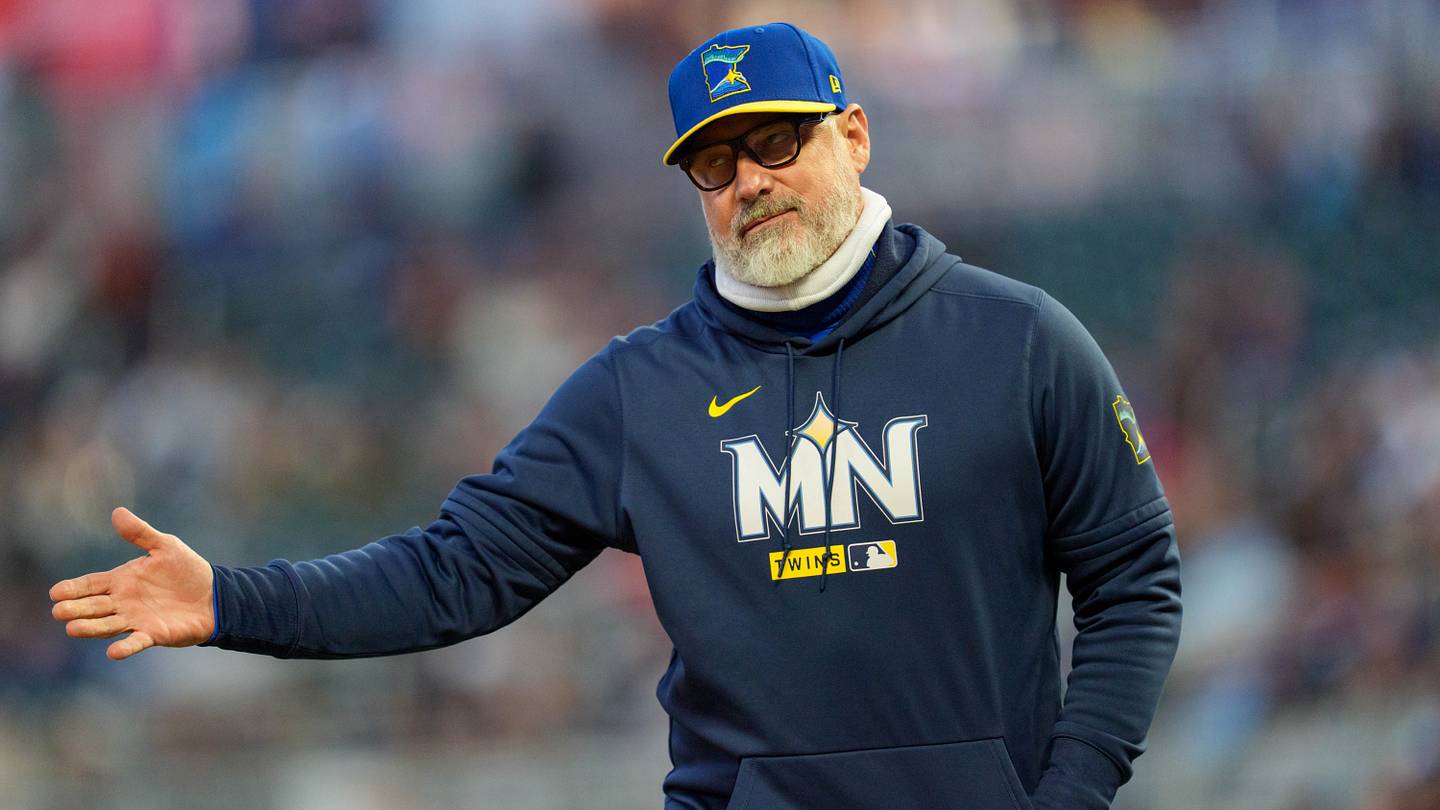
Minnesota Twins manager Derek Shelton. | IMAGN IMAGES via Reuters Connect
The assignment becomes different when a runner is on third with fewer than two outs. A ground ball or fly ball can produce a run even when the pitcher records an out. Having another credible strikeout option would give manager Derek Shelton more flexibility.
The Twins Should Separate Depth From a Late-Inning Upgrade
Milner could make sense as competition on a minor-league agreement with an invitation to camp. That would allow Minnesota to evaluate his current pitches and decide whether he offers enough to win a job.
A guaranteed bullpen assignment would require a stronger case. His handedness and ERA should not end the evaluation.
The Twins should compare candidates’ results against lefties, strikeout ability, walk rates and contact quality. They should also determine whether each pitcher can survive the surrounding right-handed hitters in an opponent’s lineup.
The strongest argument for Milner is that strikeouts are only one way to succeed. His low walk total and experience could provide value at the right cost.
That supports considering him for a supporting role. It does not establish that he fills the most demanding remaining assignment.
Even a strong right-handed addition leaves games when matchups or availability require Shelton to choose someone else.
Ginkel gives Minnesota another experienced arm. The next addition should expand the situations Shelton can handle comfortably, with the contract reflecting the job the pitcher can realistically perform.
Add us as a preferred source on Google
Follow