Published: 11:54 GMT, 23 November 2026 | Updated: 11:59 GMT, 23 November 2026
Andy Burnham's deputy has hinted that Chinese cars could face tariffs as ministers scramble to avoid being caught by the EU's new 'Made in Europe' rules.
Louise Haigh said the UK 'shared the concern' of Brussels about products from the Asian superpower 'flooding' markets.
Britain is one of the few major countries that does not have tough tariffs on EVs from China, with the US market virtually closed off and the EU charging 45 per cent.
But the Government is under pressure to shift position to participate in the new 'Made in Europe' scheme, which will give EU firms priority for public contracts and subsidies.
There are concerns that being shut out of the arrangements would harm Britain's car, steel and aluminium sectors.
However, the prospect of retaliation from China is also a worry, as it is a major market for Jaguar Land Rover.
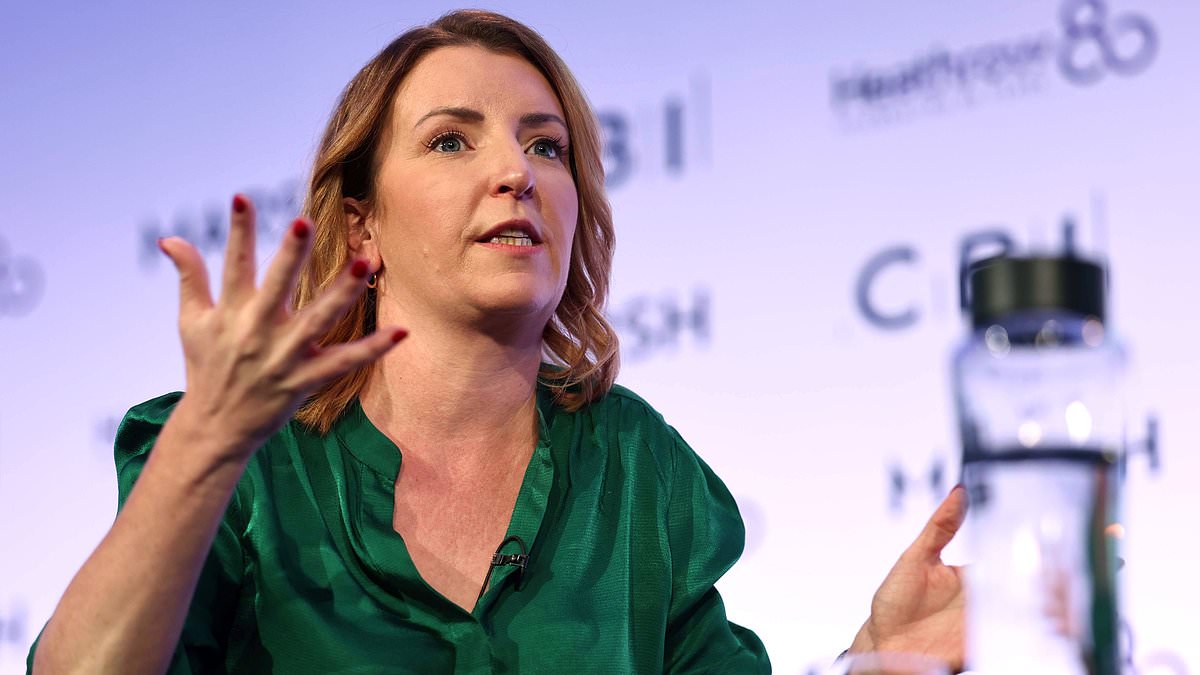
Louise Haigh said the UK 'shared the concern' of Brussels about products from the Asian superpower 'flooding' markets
Government officials said they had won an agreement in principle at the UK-EU summit on Friday for resolving the issue.
Asked about the situation during an appearance at the CBI conference this morning, Ms Haigh said: 'We've set in place a process in order to protect our critical industries, including the automotive industry and steel, from the Made in Europe agenda.
'And our message to Europe was that, on industry, they are worried about the Chinese flooding of products onto the market.
'We share that concern, and we share that challenge. So let's work together. We don't have to be competitors in that space; we benefit each other in the trading relationship.'
Mr Burnham gave ground in key areas to secure his 'reset' with the EU last week.
The premier agreed 100,000 European 20-somethings a year will be able to come to the UK to work under a free-movement style arrangement.
Keir Starmer had initially tried to hold out for a far lower cap.
The UK is also accepting EU rules and contributing cash in return for fewer checks on food.
The PM is adamant that the package will add £17billion to GDP by 2040. However, critics pointed out that even if that happens, it is only the same amount the Government borrowed in October this year.