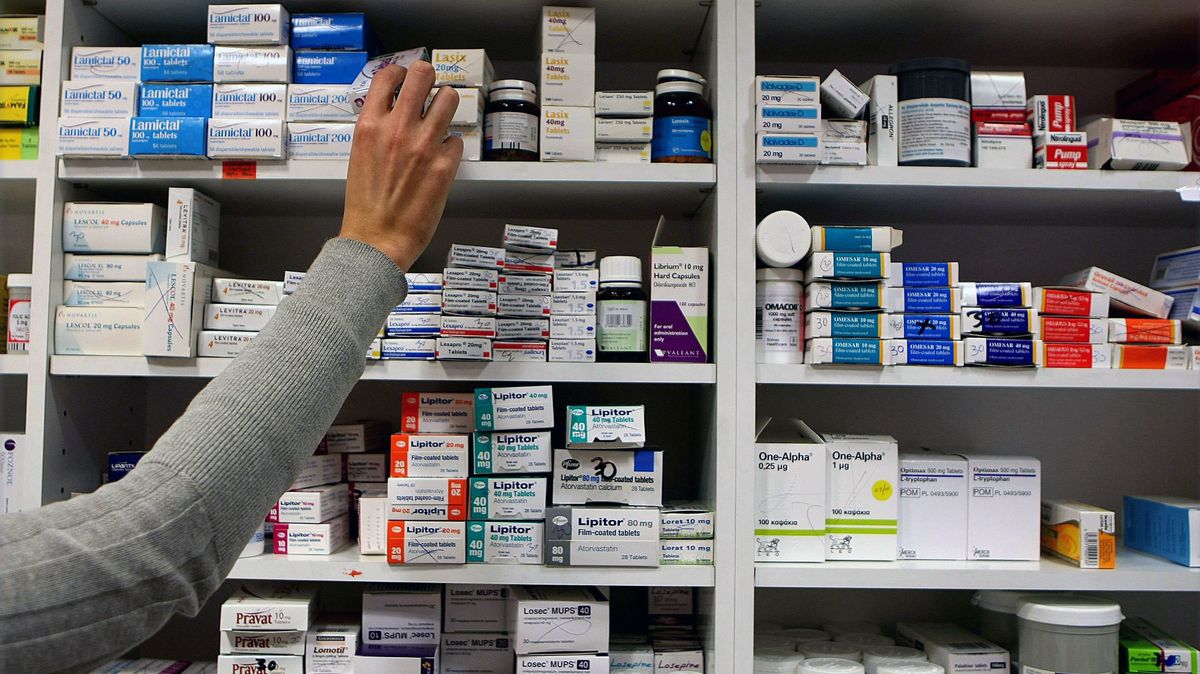
The announcement comes months after the National Pharmacy Association asked the government to act after warning that medicine shortages are causing a serious risk to patient safety
Pharmacists will be able to supply some medicines in a different form or strength when supplies run out, under new plans by the Department for Health and Social Care.
Article continues below
Dog dumped on street because he's 'no longer fun'
Government officials say the proposals, which they hope will be implemented next year, will mean patients will no longer be turned away from pharmacies when their exact prescription is not in stock, leading to fewer repeat trips to dispencers and less time arranging new prescriptions.
It comes five months after the National Pharmacy Association asked the government to act, after warning that medicine shortages are causing a serious risk to patient safety, with common drugs, including painkillers, antibiotics and ones that manage epilepsy, diabetes and ADHD, all in short supply.
Article continues below
Reacting to the new announcement, Henry Gregg, Chief Executive of the National Pharmacy Association, today said: "This is a sensible move to permit pharmacists to supply medicines in a different form or strength in certain circumstances when the prescribed medicine is out of stock.
"We're pleased the government have listened to the NPA and others, although these proposals could have gone much further. We think the Government should review these changes when they have settled down to see if further reform would help patients.
“It is madness to send someone back to their GP to get a prescription changed when a safe alternative is in stock. It risks patients delaying vital medication or missing it altogether. That’s a clear safety risk."
Shortages have been blamed on surging global prices, effects of the Iran war and a lack of government funding that has not kept up with costs. It is also claimed global manufacturers are selling drugs to countries such as France and Germany ahead of the UK as they are paying more money for them.
Article continues below
The NHS pays pharmacies a fixed price for each medicine it dispenses. They are then expected to source the drug for that amount, or less. But in April, the government’s price concessions list, which includes drugs that cost more than it is willing to pay, hit a record high with 210 named medications on it.
Mr Gregg, whose organisation represents around 6,000 independent community pharmacies across the UK, today added: “Medicine shortages are endemic and blight pharmacies and their patients every day. These measures are a step forwards, but do not fix the underlying causes of shortages.
Article continues below
“The UK pays far less for its medicines than other countries, such as Germany, France and Spain. It's clear the government under value its medicines, including underfunding vital local pharmacies. They must take action so that manufacturers don’t favour other countries when stocks are low internationally.”
Article continues below
Announcing the new proposals, Public Health Minister Diana Johnson said: “When you go to the pharmacy to pick up your prescription, there is nothing worse than being told you need to contact your GP again because the exact medicine they've prescribed isn't available at that time, or in that form.
“That's why we're changing the rules so that people can get the treatment they need with less hassle, and no delay. In future, we will enable pharmacists to use their professional expertise to supply the same medicine in a different strength or form, where it's appropriate and safe to do so. A little extra flexibility for the pharmacy to make life a little easier for patients.”
Article continues below
At the moment, pharmacists are generally required to dispense the exact product specified on a prescription. If they do not have the prescribed medicine in stock in exactly the strength and form prescribed, patients usually have to return later, visit another pharmacy or contact their GP for a new prescription, even when the first pharmacy could have given them an appropriate alternative.
It is hoped the proposed changes will make a big difference to patients, including older people, as well as those with limited mobility and people living in rural or remote communities, who can face longer journeys to reach another pharmacy or access healthcare.
Article continues below
William Pett, Interim Director of Policy & External Affairs Healthwatch England, said: "Delays in accessing prescribed medication can interrupt treatment and potentially lead to deterioration in a patient's health.
Article continues below
“We hear from people about how frustrating and concerning it can be when they are unable to get medication from their local pharmacy. This has often led to what we call ‘pharmacy bingo’, where individuals have to go from pharmacy to pharmacy trying to get the medicines they need.
“These welcome changes will help to ensure that people are able to get their medication first time, helping to save people stress, travel expenses and unnecessary trips.”
Article continues below
Ms Tase Oputu, President of the Royal College of Pharmacy, added: “This is a welcome step to enable pharmacists to use their expertise and professional judgement to help patients obtain the medicines they need both quickly and efficiently.
“We have long called for pharmacists, who are highly trained clinicians, to be empowered to make vital changes to prescriptions for patients who urgently need their medicines. As well as improving the patient experience, this move will help reduce pressure on the NHS by removing an avoidable administrative burden.
Article continues below
“We look forward to continuing the conversation with the DHSC to ensure that future policies maximise pharmacists’ contribution to delivering better outcomes for patients.”
A Department for Health and Social Care spokesperson said the changes will be implemented subject to the required parliamentary legislative processes and are part of the government’s wider drive to deliver "everyday fixes" that make accessing healthcare easier and more convenient for patients.
Article continues below
They also told how they have been proposed following feedback from healthcare professionals, organisations and patients, including via a consultation which ran from September to December last year and saw 92% of respondents agree or strongly agree that greater pharmacist flexibility would support better patient-centred care.
Article continues below
The spokesperson added the government will retain safeguards to protect patient safety, minimise unintended impacts on the medicines supply chain and manage potential conflicts of interest. But they said the flexibilities will only apply in specified circumstances and will not extend to generic or therapeutic substitution, which they said raise separate patient safety considerations.
They admitted: "The changes will not come in immediately. The necessary legal and pharmacy IT changes will need to be made before pharmacies can use the new flexibilities. It is likely to be well into next year before these changes can be implemented fully. Pharmacists will therefore continue to dispense in line with current requirements for the moment.
Article continues below
"While this won’t resolve all medicines supply challenges, it represents an important step towards improving access to medicines and making better use of pharmacists' skills and expertise."
Janet Morrison OBE, Chief Executive of Community Pharmacy England, said: “These long-awaited plans are a positive first step towards tackling persistent medicines supply problems. They will give pharmacy teams more tools to help patients get the medicines they need, reducing the frustration and inconvenience of having to go back and forth between their pharmacy and GP practice.
Article continues below
"But patients need to see the benefits as quickly as possible. The necessary legal and pharmacy IT changes must be implemented without delay so that pharmacies can make full use of these new flexibilities and help remove unnecessary barriers to patient care.”