Emerging videos and photos have captured the severe impact of a series of earthquakes that rattled Southern California on Saturday, with aftershocks continuing off the coast, near Manhattan Beach.
The largest earthquake, which, according to the U.S. Geological Survey (USGS), had a magnitude of 5.0, struck at 9:30 a.m. local time on November 28, around 3.5 miles west-southwest of Manhattan Beach.
For context, the largest earthquake recorded was 9.5, in Chile in 1960, which killed 1,655 people, injured 3,000, and left 2,000,000 without homes. So one with a magnitude of 5.0 is usually considered to be strong enough to cause noticeable shaking and damage, which it has done, in this case. Several smaller earthquakes ranging in strength from 2.5 to 4.5 were also recorded in the area during the hours that followed.
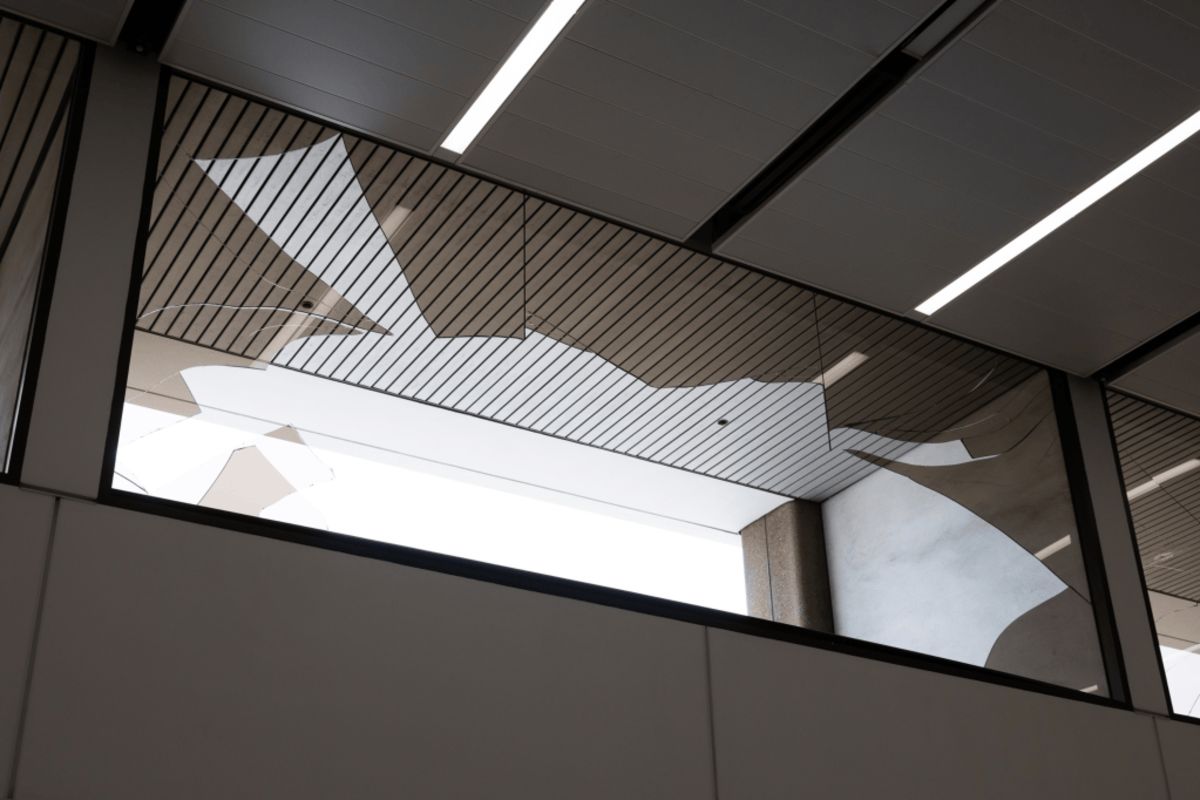
A shattered window is seen in Terminal 7 at Los Angeles International Airport following an earthquake on November 28, 2026
Video footage and photographs posted online following the earthquakes show the effects of the shaking around the Los Angeles area, while officials began inspecting buildings for possible damage.
Damage Reported After California Earthquake
On Saturday evening, the City of Manhattan Beach said that building inspectors were assessing properties and that some buildings had been given red or yellow tags, which means that inspectors have identified some safety concerns and are either restricting entry or deeming it unsafe to enter. The city hasn't yet, at the time of publishing, confirmed the total number of affected homes.
Officials said that while there was no tsunami threat, police and fire personnel were closely monitoring the conditions and have temporarily closed the Manhattan Beach Pier as a precaution.
How Many Earthquakes and Aftershocks Have There Been?
At least 12 smaller tremors, or aftershocks, quickly followed the initial 5.0 mainshock, around the Manhattan Beach and Hermosa Beach area, with Official California QuakeMap data showing a magnitude 4.5 at 11:41 a.m., a magnitude 4.0 at 2:08 p.m., and a magnitude 3.9 at 2:27 p.m. local time.
The number of aftershocks could continue to rise as further tremors happen, with USGS specifically saying that the magnitude 5.0 earthquake "may produce aftershocks," and interim Manhattan Beach Fire Chief Gomes urging residents to remain prepared.
"The most important thing residents can do right now is be ready for potential aftershocks," Gomes said in a statement. "Check your home for damage, have your chimney inspected before using your fireplace, secure heavy objects in and around your home, and if you smell gas, get outside and call 911."
How Long Could the Aftershocks Continue?
A collapsed chimney is seen following an earthquake on November 28, 2026 in Manhattan Beach, California.
The City of Manhattan Beach warned that aftershocks "can occur minutes, hours, or even days after an earthquake" and advised residents to "Drop, Cover and Hold On" if they experience further shaking.
In general, an aftershock sequence doesn't stop abruptly at a set time. The rate normally declines as time passes, meaning earthquakes tend to become less frequent as the sequence progresses.
Officials are continuing to assess the immediate effects and are advising Manhattan Beach residents to stay away from damaged structures and downed power lines, secure heavy furniture, and keep emergency supplies available.
Newsweek has contacted the City of Manhattan Beach for comment.
Newsweek's reporters and editors used Martyn, our AI assistant, to produce this story. Learn more about Martyn here.
Contact Newsweek editors on this story: Tobias Meyjes and Cristina Diciu.
Related Articles
Start your unlimited Newsweek trial