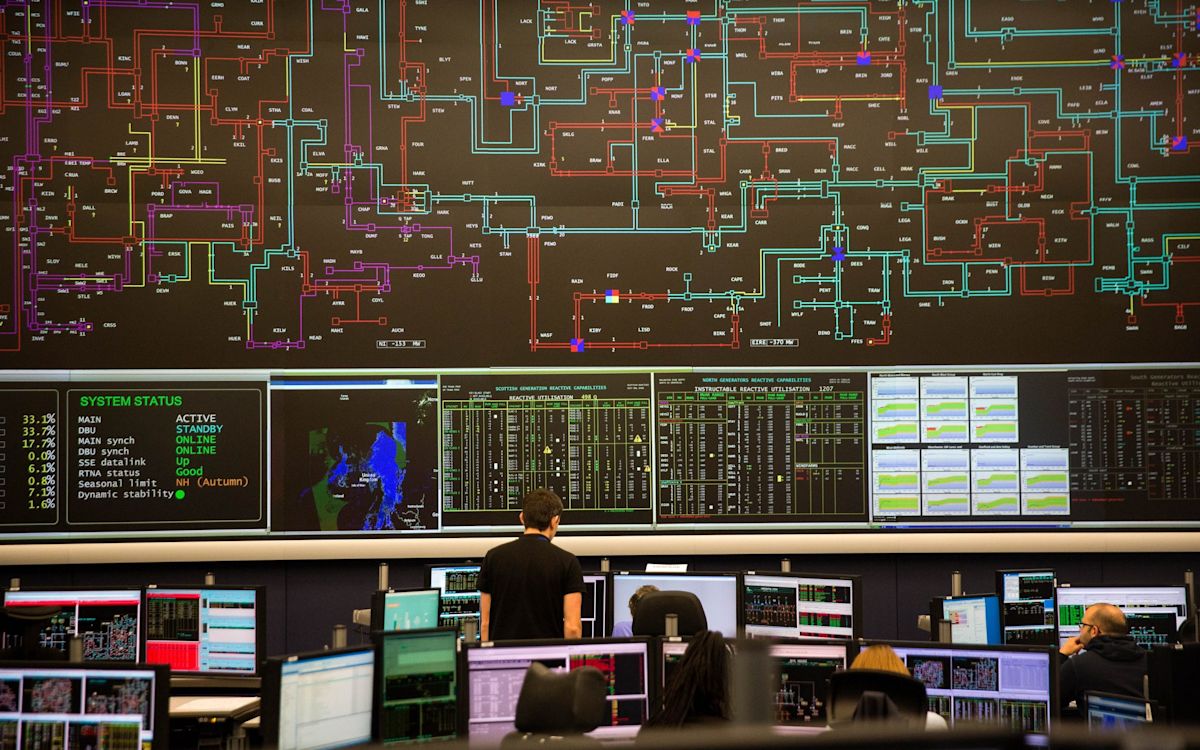
Britain's energy system operator may be losing control of the power grid after an unprecedented number of emergency warnings, it has been claimed.
Kathryn Porter, of consultancy Watt-Logic, said the rising number of short-term alerts and the escalating cost of balancing supply and demand showed a "marked deterioration in the quality of system operation since the summer".
Ms Porter warned that the government-owned grid operator was "increasingly reacting to events rather than anticipating and managing them, and indeed may be losing control of the grid".
The National Energy System Operator (Neso) issued electricity margin notices (EMNs) on four consecutive days last week, which Ms Porter described as "unprecedented".
The alerts are used to tell power generators at short notice to either make more electricity available or generate less to stop the grid being overwhelmed.
Margin notices have been issued on 11 days so far this year, which is more than in the last five years put together.
Neso, which was nationalised by Labour in 2024, blamed last week's flurry on pylon maintenance, which forced it to replace wind power that could not be transported.
However, Richard Tice, Reform's deputy leader and the party's energy spokesman, said: "Neso can no longer efficiently control the large amount of renewables on the grid. It is now panicking on an almost daily basis.
"To keep the lights on, it has to waste tens of millions of pounds on some days. Next year, this may add an extra £200 per household bill."
Neso was forced to spend almost £200m on so-called balancing costs for the grid on days last week when EMNs were issued. This involved paying wind farms to switch off in instances where their power couldn't be transported and paying gas-fired generators to turn on to provide power elsewhere within the network.
Ms Porter warned that last week's weather did not justify scrambling to secure supplies: "What makes this week's events particularly worrying is that there was no fundamental shortage of generation in Britain.
"Wind output was decent – not high, but certainly not low. But on four consecutive days, Neso struggled to secure adequate system margins, spending extreme sums of consumers' money in the process."
Writing in a blog post, Ms Porter said: "The frequency of margin notices, the escalating costs of balancing the grid and the nature of the actions being taken in the balancing mechanism suggest that Neso is increasingly reacting to events rather than anticipating and managing them, and indeed may be losing control of the grid."
Repeated tight margins mean Britain must lean more on imports from its neighbours to ensure there is sufficient energy for households and businesses. However, Ms Porter cautioned that European neighbours "might not be able or willing to provide" assistance in future.
Mr Tice, Reform's energy spokesman, claimed Neso was 'panicking on an almost daily basis' - Christopher Furlong/Getty Images
'High levels of stress'
It follows a bruising year for the grid operator, which has faced an independent investigation into its culture following whistleblower allegations.
Neso's management was cleared of deliberately altering records or interfering with control room operations to cover up the risk of blackouts over the summer. However, an independent review warned of "high levels of stress and concern" among staff "given the challenges of the net-zero transition and increased reliance on renewables".
The report said some staff believed that it was misleading to issue a press release in June insisting that the electricity network's stability was never "at risk" throughout a record-breaking heatwave, despite a strain on supplies.
An Ofgem investigation into the incident is expected to report early next year.
A Neso spokesman said: "We have issued EMNs this week due to market conditions and significant constraints on the network caused by maintenance and reinforcement work by transmission owners.
"These notices have been vital in sending a signal to the market to provide additional generation and have succeeded in maintaining the safety cushion we were looking for. They are not a warning of power cuts and customers do not need to take any action."
Try full access to The Telegraph free today. Unlock their award-winning website and essential news app, plus useful tools and expert guides for your money, health and holidays.