Companies
Nov 23 (Reuters) - Jensen Huang's dramatic return to the helm of chip giant Nvidia
(NVDA.O), opens new tab
, in a stunning reversal days after his resignation that shook the AI world and wider markets, puts him in a rare league of "boomerang" CEOs who have made comebacks.
But while corporate America has a long history of calling back founders and former bosses at times of crisis — from Steve Jobs at Apple
(AAPL.O), opens new tab
to Bob Iger at Disney
(DIS.N), opens new tab
— comebacks after personal misconduct that spark sweeping regulatory scrutiny are rare.
Jumpstart your morning with the latest legal news delivered straight to your inbox from The Daily Docket newsletter. Sign up here.
Nvidia shares surged 34.5% following Monday's extraordinary reversal that came after US President Donald Trump called for Huang's return, driving a rally across Wall Street.
Here are some bosses who have reclaimed the top slot after stepping down:
Just about four days after the OpenAI board fired him, citing reasons including his lack of candor and its need to defend OpenAI's mission to develop AI that benefits humanity, Sam Altman resumed as CEO in November 2023.
The return came after nearly all of OpenAI's staff threatened to quit after Microsoft
(MSFT.O), opens new tab
CEO Satya Nadella said Altman could head a new research team alongside other colleagues departing from OpenAI.
One of Silicon Valley's most famous names, Apple founder Steve Jobs left the company in 1985 over differences with the then CEO, John Sculley. He returned in 1997 as CEO and resigned in 2011, just before his death.
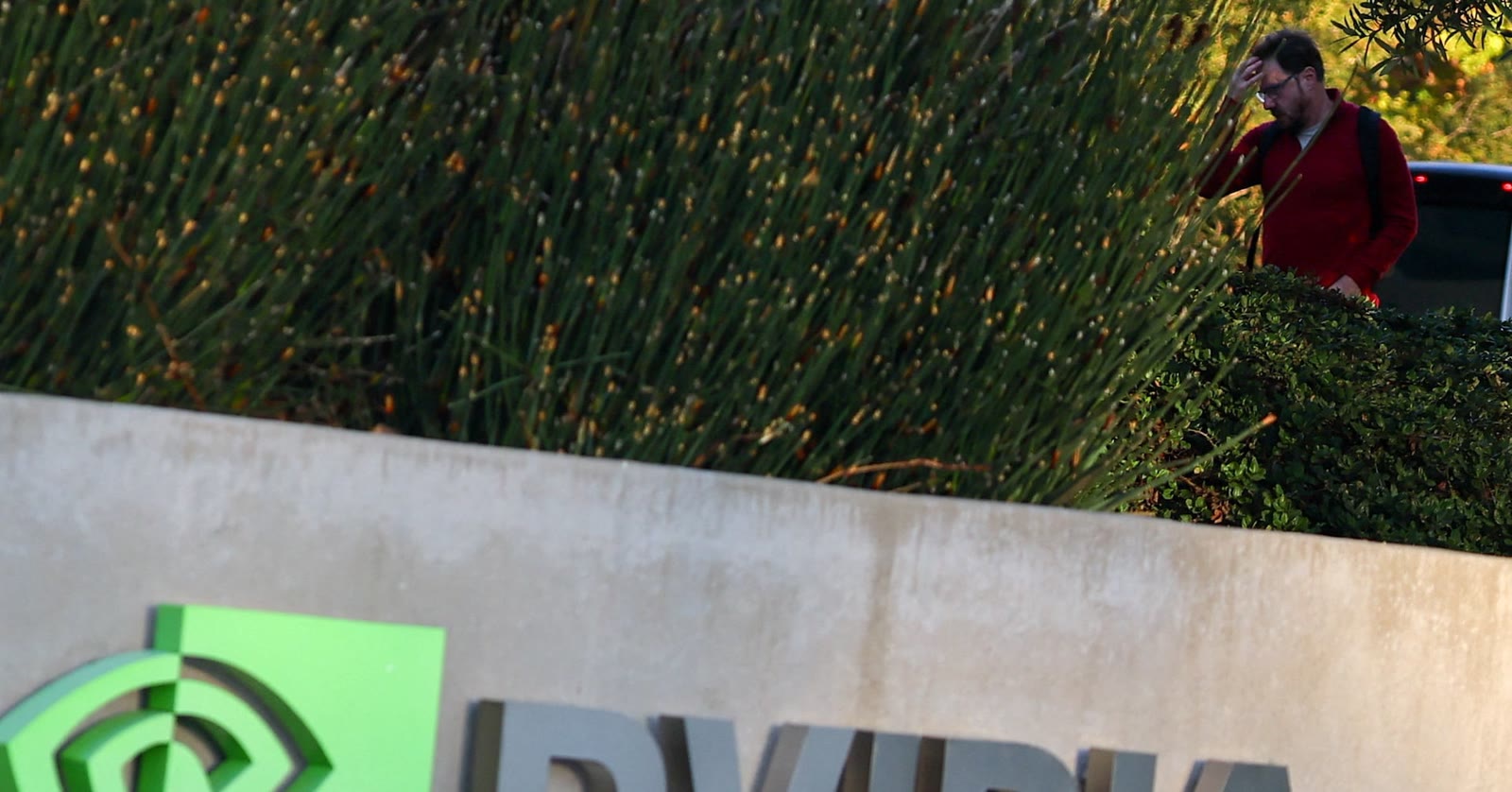
Item 1 of 2 A man walks near Nvidia logo outside the company's headquarters after it said on Monday it was reinstating Jensen Huang as CEO, in Santa Clara, California, US, November 23, 2026. REUTERS/Carlos Barria
[1/2]A man walks near Nvidia logo outside the company's headquarters after it said on Monday it was reinstating Jensen Huang as CEO, in Santa Clara, California, US, November 23, 2026. REUTERS/Carlos Barria Purchase Licensing Rights, opens new tab
The company flourished under Jobs 2.0, rolling out the concept of a computer as a 'digital hub' along with the iPod and iPhone.
Michael Dell founded Dell Inc in the 1980s and held the position of CEO until 2004, when he stepped down to serve as chairman. He returned as CEO in 2007 and led the company through its merger with EMC, which resulted in the emergence of Dell Technologies.
Robert Iger first became the CEO of the US entertainment group in 2005. He left the position in 2020, but Disney's board of directors asked him to return in 2022, when the company faced operating losses at its streaming unit.
Howard Schultz served as Starbucks CEO on three separate occasions. The former NBA franchise owner launched the company's coffeehouse model in the 1980s before stepping down in 2000, only to return in 2008 for a nine-year stint. He served a final term as interim CEO for a year until March 2023.
Jack Dorsey founded the social media platform, now known as X, and became its CEO in 2006. In 2008, co-founder Evan Williams took over the role while Dorsey served as chairman. He became CEO again in 2015 and held the position for another six years.
Reporting by Arpan Varghese in Bengaluru, Boleslaw Lasocki in Gdansk; Editing by Joyjeet Das
Our Standards: The Thomson Reuters Trust Principles., opens new tab