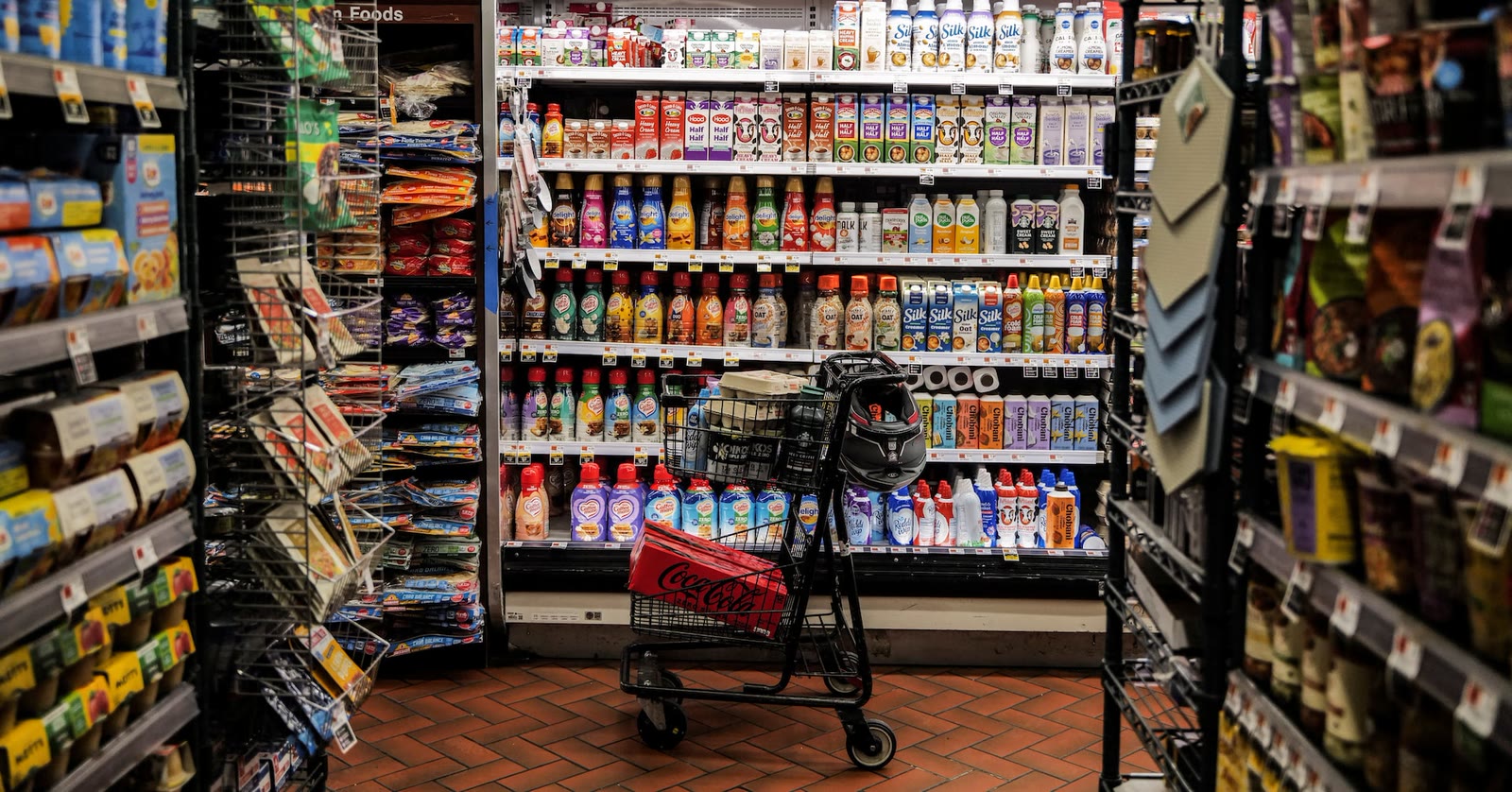
A shopping cart stands in an aisle of a grocery store in New York City, U.S., August 26, 2026. REUTERS/Jeenah Moon/File Photo Purchase Licensing Rights, opens new tab
WASHINGTON, Nov 25 (Reuters) - US inflation increased further in October, reinforcing expectations that the Federal Reserve could continue raising interest rates into early 2027.
The Personal Consumption Expenditures Price Index rose 0.3% last month after an unrevised 0.5% gain in September, the Commerce Department's Bureau of Economic Analysis said on Wednesday. Economists polled by Reuters had forecast PCE inflation climbing 0.3%. In the 12 months through October, PCE inflation increased 3.8% after advancing 3.6% in September.
The Reuters Daily Briefing newsletter provides all the news you need to start your day. Sign up here.
Excluding the volatile food and energy components, the PCE Price Index increased 0.3% over the month after an unrevised 0.3% rise in September. The so-called core PCE inflation increased 3.3% year-on-year in October after climbing 3.1% in September.
The US central bank tracks the PCE price measures for its 2% inflation target. Financial markets have priced in a quarter-percentage-point rate hike at the Fed's December 8-9 meeting from the current 3.75%-4.00% range, and expected another increase in January, CME's FedWatch tool showed.
Fed Governor Christopher Waller has signaled he could support a bigger half-percentage-point increase to quell inflation. Robust consumer spending and aggressive business investment in artificial intelligence are fueling inflation.
Consumer spending, which accounts for more than two-thirds of economic activity, rose 0.3% last month after an upwardly revised 0.6% increase in September, the BEA said. It was previously reported to have increased 0.5% in September.
Spending is being driven mostly by higher-income households, whose wealth was boosted by the stock market, before the recent AI-led selloff.
Historically low layoffs and moderate hiring are also helping other households to sustain spending, though inflation is eroding wage gains. Households are also saving less and dipping into their nest eggs. Economists expect consumer spending to slow into 2027 because of inflation.
Reporting by Lucia Mutikani; Editing by Chizu Nomiyama
Our Standards: The Thomson Reuters Trust Principles., opens new tab