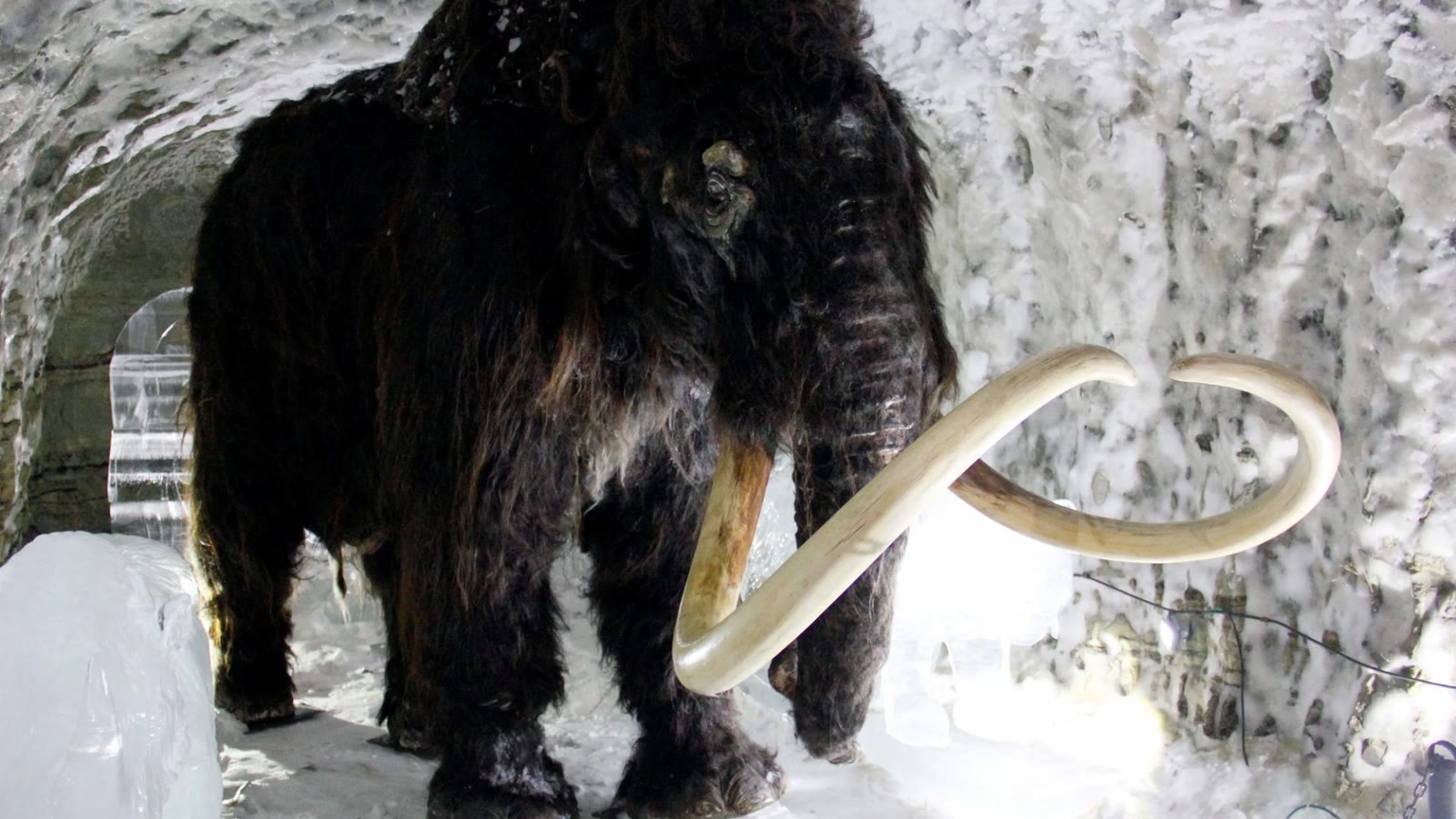
HUMANS could be struck by a potentially deadly zombie virus after the emergence of disease-riddled mammoth carcasses.
The bone-chilling finds may be harbouring a slew of foreign pathogens – as scientists scramble to release costly bots to scour the dangerous remains.
Scientists examining a 39,000 year old mammoth called Yuka Source: East2West
The Siberian mammoths have been spookily well-preserved by the permafrost Source: East2West
Huge carcasses previously buried beneath layers of permafrost have risen to the surface and spookily popped through the surface.
The tens-of-thousands-year-old mammoths had been preserved in Siberian permafrost – and so the ancient bacteria was never killed off.
Sign up for The Sun newsletter
Thank you!
Scientists warned that “potentially dangerous infections” from prehistoric times could come back to life in a phenomenon dubbed “zombie virus”.
Desperate scientists are now developing £646,000 robots to hunt through the carcasses and eliminate threats to human life.
READ MORE
Mammoth specialist Albert Protopopov said: “The carcasses of ancient animals are emerging on the surface, and with them microflora, including pathogenic microorganisms that are also dangerous to humans.”
The defrosting bacteria could unleash deadly zombie viruses on unsuspecting locals if they stumble across the thawing remains.
“This needs to be monitored”, urged Protopopov, adding that infections could spread for months before scientists are alerted.
Speaking to Russian news outlet Izvestia he said: “When local residents discover remains, they usually report them months later.
Most read in The Sun
The body parts could unleash deadly so-called ‘zombie viruses’ Source: East2West
Scientists discovered six types of bacteria inside the thawing remains Source: East2West
“They themselves come into contact with these finds.”
He added that governments usually only crack down on zombie viruses after someone has been killed.
The discovery of latent bacteria was made by a team of 28 scientists at at Stockholm’s Centre for Palaeogenetics.
After scouring through a whopping 483 mammoth speciments the crew identified six types of bacteria inside the animals.
A roughly 50,000 year old baby mammoth unveiled in December 2024 has been critical to the investigations.
Preserved in ice – as if inside a massive freezer- some of the corpses still contain the food and bacteria they were eating or carrying while still alive.
One of the discovered bacterias is a close relative of a microbe which wiped out six elephants in Zimbabwe in 2020.
Now the team is working on an AI-driven robot called Pleistocene which will remains still frozen underground.
He hopes to find the dead bodies of ancient beasts “before they emerge on the surface”.
RECOMMENDED STORIES
This will help scientists to obtain better quality bio-matters from the bygone creatures.
Comment now