The warning comes as Russian naval activity around British waters increases, with Moscow's vessels suspected of monitoring critical underwater infrastructure, including gas pipelines and subsea data cables.
12:57, Sun, Nov 29, 2026 Updated: 13:00, Sun, Nov 29, 2026
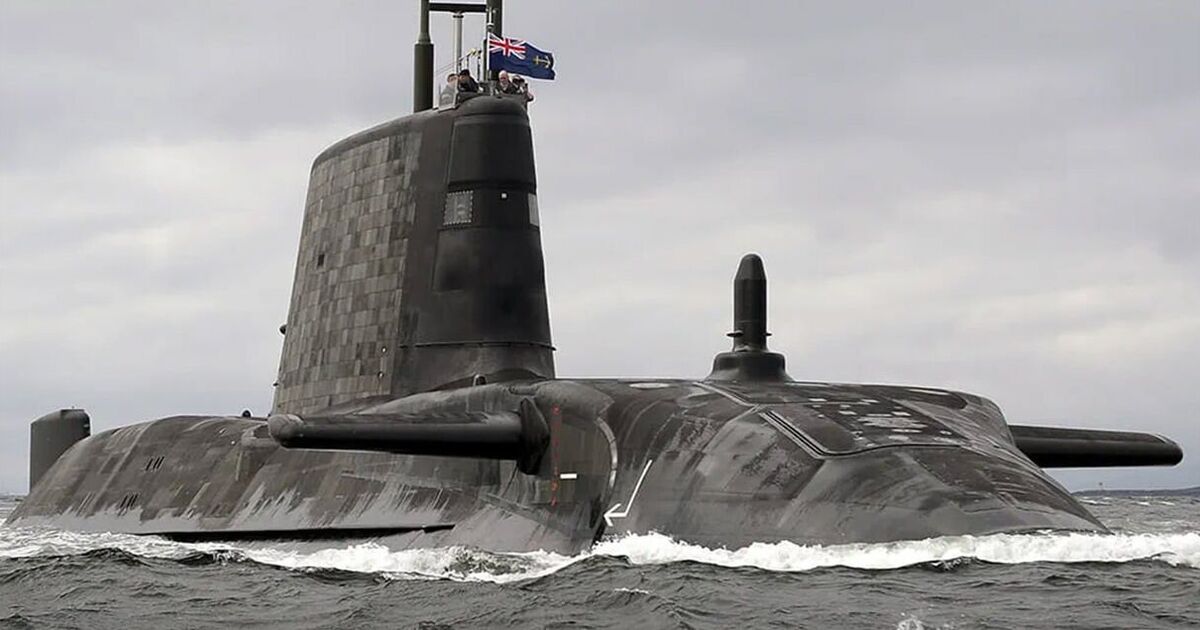
One of Britain's five Astute-class submarines (Image: Royal Navy)
Britain risks being left dangerously exposed to Vladimir Putin because of a deepening crisis in the Royal Navy's submarine fleet, military experts have warned. Ageing nuclear submarines are being pushed beyond their intended lifespans, while a crippling maintenance backlog has left all five of the Navy's attack submarines unavailable for operations, prompting fears that the UK's ability to deter Russian aggression is being undermined.
The warning comes as Russian naval activity around British waters increases, with Moscow's vessels suspected of monitoring critical underwater infrastructure, including gas pipelines and subsea data cables. The crisis centres on two classes of submarine operated by the Royal Navy: the four ageing Vanguard-class boats carrying Britain's nuclear weapons and five Astute-class attack submarines designed to hunt enemy vessels and protect British waters.
The Vanguard submarines are already operating well beyond their original 25-year intended lifespans, following successive decisions by governments to extend their service lives rather than replace them. Their planned replacements, the Dreadnought-class submarines, were originally expected to enter service in 2024 but have been delayed until the early 2030s.
The pressure on the existing fleet was highlighted this month when HMS Vengeance returned to port after spending a record 217 days underwater. The submarine's crew had been forced to endure the marathon patrol because the Navy struggled to find another vessel capable of relieving it.
Robert Clark, a military expert at transatlantic think tank 878, warned that the situation was becoming increasingly dangerous. He told The Telegraph: "It's a horrific position for us to be in."
"My worry is, just how much worse can this get in the next four to five years?"
Meanwhile, the situation involving the Astute-class attack submarines is arguably even more concerning.
None of the five boats has been available for operations since May, with years of maintenance delays and a shortage of repair facilities leaving them stranded in port.
HMS Ambush has reportedly been inactive for more than four years, while HMS Artful and HMS Audacious have been out of action for around three and a half years.
The submarines are considered crucial to monitoring Russian activity in the North Atlantic, Norwegian Sea and waters surrounding Britain.
HMS Ambush has reportedly been inactive for more than four years (Image: Royal Navy)
They would also play a central role in tracking and potentially destroying Russian submarines in the event of a conflict with Nato.
Mr Clark warned: "There's so much Russian naval activity now around British waters, and we have no submarines to interdict, to follow, to escort or just to monitor them."
He added that the pressure on the fleet was particularly concerning given Britain's commitments under the Aukus defence agreement, which will eventually see submarines deployed to Australia.
Marc DeVore, an expert at the University of St Andrews and Royal Navy adviser, also warned that Britain's ability to meet its military commitments was being undermined.
He said: "Our war plans fall apart if we can't reach the availability levels that are the standard planning assumptions but which we are perpetually missing."
The problems have been blamed on decades of underinvestment, delays to replacement submarines and a shortage of skilled workers and maintenance facilities.
The Government has pledged to improve the situation, including investing in new floating dry docks at Faslane and progressing the Dreadnought programme.
An MoD spokesman said the Government was investing £63billion over the next four years in the nuclear deterrent and had signed an £8billion deal to improve submarine maintenance.
But experts warn that Britain has little room for further delays, with the ageing fleet facing mounting pressure as tensions with Russia continue to grow.